
C.R. England Truck Driving School Review – Paid CDL Training

Truck driving keeps the country fed, stocked, and moving, and the people who move that freight stay in steady demand. Some trucking companies are more generous than others in what they promise to provide for you. C.R. England is one of them.
Founded in 1920, C.R. England has grown into the largest temperature-controlled carrier in the world. “Temperature-controlled” simply means refrigerated freight, the kind of loads that keep food cold from the packing plant to the grocery store. Drivers call these trailers “reefers,” short for refrigerated units.
The operation is large. C.R. England runs roughly 4,000 tractors, around 6,000 trailers, and about 900 containers, with a workforce somewhere between 5,000 and 10,000 people. The company has been in business for over a century and family owned and operated across four generations. It’s based out of Salt Lake City, Utah.
The nice thing about C.R. England’s training setup is that you have a few locations to choose from. Training runs through the company’s own driving school, Premier Truck Driving School, with locations in California, Indiana, Texas, and Utah. Lodging is provided as part of the tuition cost.
Why Companies Pay to Train Drivers
It’s fair to be a little suspicious when a company offers to train you for next to nothing up front. Where’s the catch, and why would a carrier spend real money on someone who’s never driven a truck?
The answer is supply and demand. The economy needs far more qualified drivers than the industry produces on its own, and that gap has held steady for years. Retirements, turnover, and the sheer volume of freight moving across the country keep the seats open.
Carriers have two choices. They can compete over the limited pool of already-licensed drivers, or they can build their own. Paid CDL training is how a company grows its own workforce instead of waiting for one to show up.
That’s the trade underneath the whole model. The carrier fronts the cost and the time, and in return it gets a driver trained to its standards and committed for a set period. You get a license and a job you couldn’t have afforded to chase otherwise. Once you see the logic, the terms stop feeling like a catch and start looking like a fair deal.
Paid Training Versus Paying Out of Pocket
There’s another route to a CDL worth understanding so you can compare honestly. You can pay a private truck driving school directly, finish the course, and then go job-hunting on your own.
That path has one real advantage: freedom. You owe no company anything, so you can take any job you want the day you’re licensed. If you already have savings and you’re picky about your first employer, paying out of pocket keeps your options fully open.
The cost is the catch. Private CDL schools often run several thousand dollars due up front, before you’ve earned anything driving. For someone changing careers because money is tight, that bill is the exact wall that blocks the whole plan.
Company-sponsored training removes the wall and adds a guarantee. You don’t front the tuition, and a job is waiting when you finish and qualify. The trade is the commitment period and the fact that your first job is set rather than chosen from the whole market. For most career changers without a cushion in the bank, that math favors the sponsored route.
Premier Truck Driving School’s Class A CDL Program
Premier Truck Driving School is C.R. England’s own school, and its Class A program is built to move fast. Students can earn a Class A CDL in as little as 10 days, well ahead of the four to five weeks many schools require. The program is a 120-hour certificate, the length most employers in the industry expect, backed by more than 30 years of training experience.
A Class A CDL is the license that lets you operate the heaviest combination vehicles: tractor-trailers rated over 26,001 pounds, or setups towing more than 10,000 pounds. That range is why employers keep Class A drivers in high demand.
Premier sets its tuition to beat competing schools’ rates, with added savings for students who pay upfront. Beyond the core Class A track, the school offers CDL upgrades, refresher courses, endorsement training, and on-site CDL testing, so you can keep adding qualifications as your career grows.
Premier trains students on both automatic and manual transmission tractor-trailers. Automatic trucks handle the shifting for you and are common across newer fleets, while learning on a manual rig gives you the skill to drive any truck on the road. Manual Class A training is offered at the Indiana and Utah schools, while the California and Texas locations currently run the automatic program (see the tuition table below for details).
Class A CDL Training Program Curriculum
Premier’s Class A curriculum centers on three skill areas you’ll be tested on and rely on every day behind the wheel.
Pre-Trip Inspection
Training starts with the pre-trip inspection, the safety check every driver runs before rolling. You learn why it matters for safety and regulatory compliance, then work through the full procedure step by step, checking brakes, tires, lights, fluids, and the truck’s overall condition. Part of the work is learning to spot defects and document them properly.
Backing Techniques
Next comes backing, one of the toughest skills for new drivers. You master the core maneuvers, straight-line backing, alley docking, and parallel parking, and learn the mirror use, vehicle positioning, and steering that make each one work. You practice in different setups while staying aware of obstacles and people around the truck.
Road Skills and Testing
The final area is on-road driving. You build proficiency in acceleration, braking, shifting, turning, and lane management, and you practice defensive-driving habits for traffic, intersections, and highway conditions. You learn to anticipate hazards like bad weather, construction zones, and distracted drivers, then rehearse under test conditions before taking your road-skills test on-site at a Premier location.
How Your Time Splits Between Desk, Lot, and Highway
Good CDL training isn’t just one thing. C.R. England’s program splits your time across three settings that build on each other: the classroom, where you learn the rules and theory; the driving range, a closed lot where you practice handling the truck with no traffic around; and the open road, where you put it all together under a trainer’s eye.
Each setting covers what the others can’t. The classroom gives you the knowledge to pass your written tests and stay legal and safe. The range lets you make beginner mistakes somewhere nothing can go wrong. The road turns those drilled skills into real driving. Skip any one of the three and you’d show up to the job half-ready.
The early days lean heavily on classroom and range work, then shift toward road time as your skills sharpen, and finish with an extended stretch of over-the-road (OTR) training beside an experienced driver. By the end you’ve moved from a desk to a practice lot to real highways in a matter of weeks.
Inside the Classroom: Knowledge Before Keys
The classroom phase front-loads the knowledge you need before you’re trusted with a truck. It’s the part that prepares you to pass the written exams for your commercial learner’s permit and to drive within the law from day one.
The Rulebook, Federal and State
You study the FMCSA safety regulations that govern commercial drivers, including the hours-of-service rules that cap how long you can drive before you’re required to rest. You also cover the state commercial driving laws that apply as you cross state lines. This is the framework that keeps you compliant and keeps your license clean.
Keeping Clean Logs and Mapping the Run
You learn proper logging procedures so your hours are recorded correctly, along with how to plan a trip around fuel stops, weigh stations, and delivery windows. Good planning is what separates drivers who hit their appointments from those who scramble, and it starts here on paper before you ever do it for real.
How the Rig Works, From Air Brakes Up
You get to know the individual components of a tractor-trailer and how its major systems work, including the air brakes. This classroom grounding is the theory behind the pre-trip inspection you’ll later perform by hand, so that when you’re checking the truck you understand what each part does and why a defect matters.
Out on the Lot: Getting a Feel for the Truck
The driving range is a closed lot where you learn to physically operate the truck without traffic in the picture. It’s where the toughest beginner skills get drilled until they feel natural.
Hooking Up, Braking and Shifting
You practice hooking the tractor to the trailer and uncoupling it again, along with the basics of controlling the rig: clutching, accelerating, braking, and shifting through the gears. These are the fundamentals every other maneuver is built on.
Taming a 53-Foot Trailer in Reverse
Backing a 53-foot trailer is the skill that humbles most new drivers, so the range gives it plenty of time. You master straight-line backing, alley docking, and parallel parking, and you learn the mirror use, positioning, and steering that make each one work, all while staying aware of obstacles and people around the truck.
Walking the Truck Before You Turn a Wheel
Here the classroom theory becomes a physical routine. You work through the full head-to-toe inspection of the tractor and trailer, checking brakes, tires, lights, fluids, and overall condition, and you practice spotting and documenting any defects, exactly as you’ll be tested and exactly as you’ll do it every working day.
On the Road: Where It All Comes Together
Once you can handle the truck on the range, you take it onto public roads with an instructor beside you. This is where drilled skills turn into real driving.
Threading Through City Traffic
You practice moving the tractor-trailer through city streets in both light and heavy traffic, handling intersections, wide turns, and merging. Reading traffic and placing a long vehicle correctly takes repetition, and this is where you build it.
Ramps, Grades, and Highway Speed
On rural roads, highways, and expressways you learn to manage on-ramps and off-ramps, slight inclines and downgrades, railroad crossings, and lane changes at highway speed. Handling the truck’s weight and momentum on a grade is a different job than city driving, and you get real practice at both.
Spotting Trouble Before It Reaches You
Throughout your road time you build defensive-driving habits: leaving following distance, reading traffic early, and anticipating hazards like bad weather, construction zones, and distracted drivers. A loaded truck can weigh up to 80,000 pounds and needs far more room to stop than a car, so this awareness is what keeps you and everyone around you safe.
The Trucks You’ll Learn In
Students train on late-model tractor-trailers from C.R. England’s own fleet, so the truck you learn in is close to the truck you’ll drive on the job. The fleet is built around Freightliner Cascadias, and most run automatic transmissions, which handle the shifting for you and are common across newer fleets.
Premier also trains on manual-transmission tractor-trailers at its Indiana and Utah schools, while the California and Texas locations run the automatic program. Learning on a manual gives you the skill to drive any rig on the road; learning on an automatic matches what most of the fleet actually uses.
Because C.R. England trades its trucks on a short cycle, typically around 500,000 miles, the training equipment is genuinely late-model rather than worn-out cast-offs. You practice your range maneuvers and road miles in trucks and 53-foot trailers that reflect what’s running on the highway right now.
What You Can Expect From the Program
Overall, here’s what you can expect when you sign up and get accepted into one of the C.R. England training schools sponsored by the C.R. England trucking company:
- Tuition for the Class A CDL Automatic program is $4,500 paid upfront, or $6,495 through Premier’s Liberty or Climb payment plans. See the tuition table above for every program and location.
- The length of the paid CDL training course is about 10 days, depending on the location of the program.
- You do not need to have your commercial learner’s permit (CLP) before signing up.
- During the first week of school, you will study for and pass the CDL written tests.
- After obtaining your CLP, you will then go through a mix of classroom and driver training.
- You will receive approximately 40 hours of classroom instruction.
- You can expect to train 10 to 12 hours a day as this is a fast-paced paid CDL training course.
- The ratio of students to instructor is usually 4:1 but, may be 6:1 in rare cases.
- You should expect to share a truck with a few other students during lot training.
- After the classroom and lot phase, you’ll complete a 30-day OTR training program totaling 15,000 miles.
- You can request a personal trainer who doesn’t smoke during the over-the-road (OTR) training period.
- You must pay a non-refundable $50 administration fee when you enter the program.
- You must also pay a CDL Permit fee of $50 – $100 depending on the location.
- You are required to pay a $30 fee to cover the DOT medical exam and drug test cost.
- Tuition includes lodging and transportation but does not include meals.
- Premier offers financing through its Liberty and Climb payment plans, plus a discount for students who pay tuition upfront.
- You are not required to undergo a credit check or have someone co-sign your loan.
- Paying upfront saves about $1,995 on the CDL A Automatic program compared with the Liberty or Climb financed price.
- Your repayment schedule depends on whether you choose the Liberty or Climb plan; confirm the current terms with Premier.
- If you stay with C.R. England for at least 3 years, you will receive a $1000 reimbursement.
- Pre-paid students who stay with C.R. England Trucking for 3 years also receive the $1000 reimbursement.
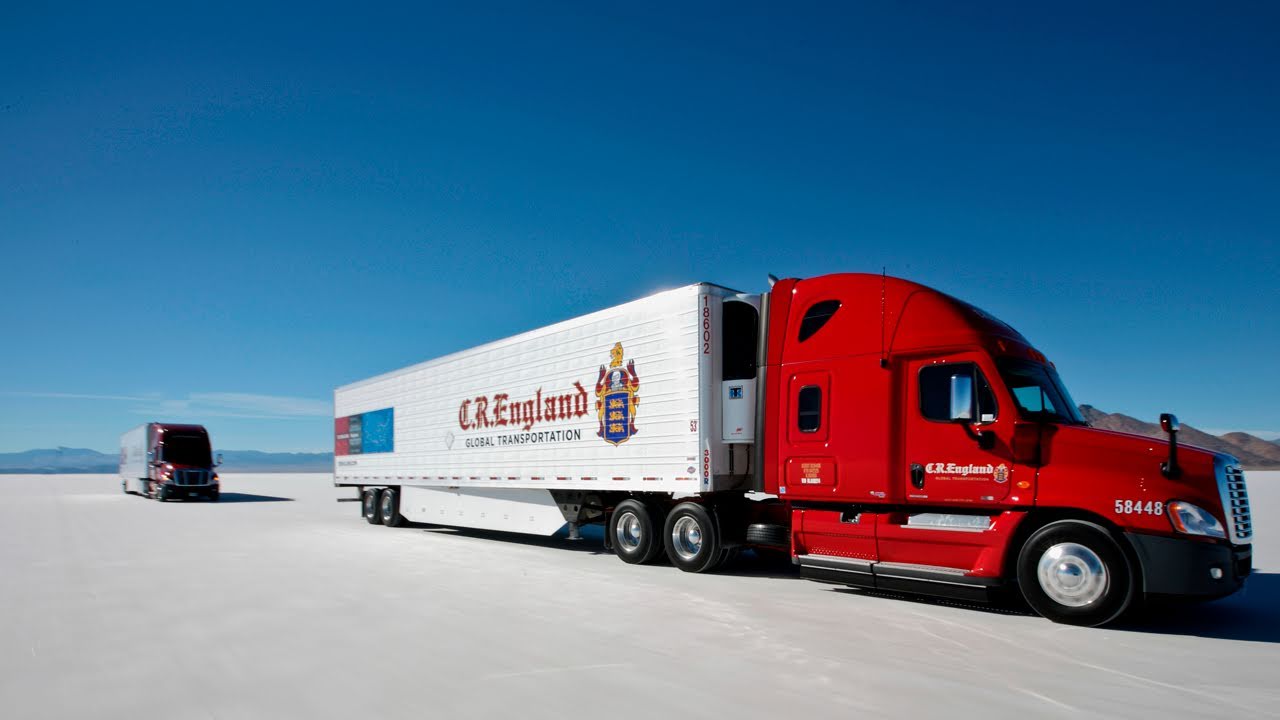
A major benefit of C.R. England’s paid training course is that they provide you with travel and hotel costs. If you have to travel from another city in order to get to a C.R. England school, they will charge you nothing when you sign a driving contract, and will provide you with top-quality company paid CDL training in only 17 days.
While the program has a lot going for it, there’s one thing prospective students should keep in mind before signing the contract. Financing your tuition through a payment plan adds to the total cost, so it’s worth comparing Premier’s Liberty and Climb terms against other options like credit union loans or government financial aid before you commit. If you can pay upfront, you avoid the financed markup entirely, which on the CDL A Automatic program is close to $2,000.
There’s one other thing to weigh. Unless you become an owner-operator, there’s really no straightforward way to fully work off the cost of tuition so that your training becomes free. If you finance rather than pay upfront, you’ll also carry the plan’s markup, and even with any retention reimbursement you’re left with a real tuition cost. It’s a manageable expense for a lifelong skill, but you should see it clearly going in.
With an emphasis on driver safety, C.R. England truck driving school will make sure that you get comprehensive truck driver training in the classroom, on the driving range, and on the road. Once you complete the training program, you’ll obtain your Class A commercial driver’s license (CDL) and be guaranteed a driving position with C.R. England upon meeting the company’s hiring requirements. Those requirements are the normal expectation of any driving job: a valid license, a passing physical, a clean drug screen, and a driving record that holds up. In exchange, the program asks for a commitment period, currently nine months, meaning you agree to drive for C.R. England for that stretch after you finish.
Premier Truck Driving School Tuition Costs by Location
Premier publishes its self-pay tuition by school location and program. Upfront is the discounted pay-in-full price; Liberty and Climb are the school’s other payment options.
| Program | California | Indiana | Texas | Utah |
|---|---|---|---|---|
| CDL A Automatic | Upfront: $4,500 Liberty: $6,495 Climb: $6,495 |
Upfront: $4,500 Liberty: $6,495 Climb: $6,495 |
Upfront: $4,500 Liberty: $6,495 Climb: $6,495 |
Upfront: $4,500 Liberty: $6,495 Climb: $6,495 |
| CDL A Manual | N/A | Upfront: $5,000 Climb: $6,995 |
N/A | Upfront: $5,000 Climb: $6,995 |
| CDL B Truck/Bus | N/A | Upfront: $2,500 Climb: $3,600 |
N/A | Upfront: $2,500 Climb: $3,600 |
| CDL A Refresher (40 hours) | Upfront: $2,500 | Upfront: $2,500 | Upfront: $2,500 | Upfront: $2,500 |
| CLP A Refresher (2 days training / 1 day test) | N/A | Upfront: $698 | Upfront: $698 | Upfront: $698 |
Note: Utah’s CDL B option is listed as CDL B Bus. Cells marked N/A are programs not offered at that location.
C.R. England’s Truck Driving School Schedule
Week 1
Once you’re accepted into C.R. England’s truck driving school, you can expect to be there for 15 to 20 days, depending on which school you attend, of course. During the first week of C.R. England trucking school, you’ll spend all your time in the classroom, meeting your instructor and learning about the individual components of a tractor-trailer, truck systems, FMCSA safety regulations, state commercial driving laws, proper logging procedures, and more. Expect a minimum of 40 hours of classroom time (8 hours per day, 5 days a week).
Many company sponsored truck driving schools prefer that you obtain your commercial learner’s permit (CLP) in your home state before arriving at school. This is where C.R. England trucking company differs from most trucking companies when it comes to paid CDL training. They prefer that you obtain your CLP while you are in their C.R. England truck driving school.
You should be prepared to do homework assignments throughout the entire first week of the course. This will help prepare you for the CDL written exam which you will be required to pass in order to obtain your commercial learner’s permit (CLP). Once you obtain your CLP, you’ll then spend most of your time training on the lot, with a little bit of classroom training mixed in.
Two areas of classroom work carry more weight than the rest. The first is the pre-trip inspection, the head-to-toe check of your truck that you’ll perform every single day you drive. The second is defensive driving. A loaded tractor-trailer can weigh up to 80,000 pounds, and stopping one takes far more room than stopping a car, so the classroom teaches you to read traffic early, leave yourself space, and make decisions that keep you and everyone around you out of trouble. The drivers who take this week seriously are the ones who pass their exams the first time and avoid expensive mistakes later.
Week 2
On the training lot, you’ll share a truck with 4 to 6 other students and start training behind the wheel under the guidance of your instructor. You’ll practice the following:
- Climbing into and out of the tractor
- Clutching, accelerating, braking, and shifting gears
- Coupling the tractor to the trailer
- Uncoupling the tractor to the trailer
- Inspecting both the tractor and the trailer
- Turning the tractor-trailer
- Backing up the tractor trailer
- Docking the tractor trailer
Practicing these things will help prepare you for week 3 of the C.R. England training program, which is driving on the road under the supervision of your trainer. Please note, that this is a fast-paced course that is well-suited to those individuals who are good at learning skills in a short amount of time.
Week 3
During week 3 of the program, you’ll get some real-world driving experience as you learn how to maneuver the tractor-trailer through city streets and on rural roads, highways, and expressways in both light and heavy traffic. Be prepared to handle intersections, on-ramps, off-ramps, slight inclines, slight downgrades, and railroad crossings. Overall, you should expect to train behind the wheel of a truck for 10 to 15 days.
Program timelines vary by student and location. C.R. England advertises completion in around 17 days, and Premier Truck Driving School notes some students finish in as little as ten. How fast you move depends on how quickly the skills click, which is normal and expected.
Once you finish the CDL training program at the C.R. England truck driving school, you’ll then be required to go through 30 days of over-the-road (OTR) training with a driver trainer and then 60 days of OTR training with an independent contractor. You are allowed to request a driver trainer who doesn’t smoke during the 30-day and 60-day OTR training period, if you wish.
Be sure to bring the following items with you to school:
- Your original Social Security card (cannot be laminated).
- Your birth certificate with raised seal (not required if you currently reside in Indiana).
- Your current valid U.S. state driver’s license.
- 2 government forms dated within the last 60 days that verify your current address.
- $180 in cash to pay for the administrative fee, permit fees, and DOT physical/drug test fees.
- Enough money to pay for food and basic living expenses for the next 30 days.
- 7 days worth of clean clothes, including outdoor winter gear, if necessary.
- Toiletries such as soap, shampoo, deodorant, toothpaste, a tooth brush, and a shaver.
- Clean bath towels and wash cloths.
- A pillow and a sleeping bag or twin-sized sheets and blankets.
- An alarm clock, flashlight, sunglasses, pen and pencil, paper, and a calculator.
- A voided/cancelled check or bank deposit slip in order to set up direct deposit (optional).
Remember that you will be training outdoors so, dress accordingly. Be aware that most company sponsored CDL schools do not allow sleeveless shirts, tank tops, flip-flops, sandals, or cowboy boots during training. We recommend bringing along a pair of work boots with non-slip soles.
CDL Training for Veterans
Premier runs a dedicated CDL training path for veterans, and the money is the headline. The school is an approved provider for Veteran’s Education Benefits, so eligible veterans can use the GI Bill® to cover the cost of their CDL education. Most students pay tuition out of pocket, but that benefit lets qualifying veterans train without the same financial pressure.
The case for veterans rests on fit. Trucking rewards the structure and discipline built in the military while offering the freedom of the open road. Demand for Class A drivers is high right now, income scales with miles and experience, and drivers can pick regional or long-haul work to match the lifestyle they want.
At Premier, veterans get Class A and Class B CDL training with classroom and behind-the-wheel instruction, the same 120-hour certificate required by most employers, and job placement help through the school’s partnerships with top trucking companies. Support for the move from military to civilian work runs through the whole program.
OTR Training
OTR stands for “over-the-road,” the term for long-haul driving where you’re out running freight across states rather than coming home every night. During your over-the-road training, C.R. England trucking company will pair you up, one-on-one, with a certified driver trainer. Your trainer will observe and guide you from the passenger seat while you accumulate the required minimum of 15,000 miles behind the wheel time over a required minimum time period of 30 days. The truck will be dispatched as a team operation and you will be paid $430 per week which comes out to $61.43 per day. The truck is dispatched as a team operation.
Once you complete your 30-day OTR training, you will then be enrolled into the C.A.T. Program, which stands for Career Advancement Training. C.R. England will pair you up with an independent contractor, one-on-one, for 60 more days of OTR training. During this time, you will be shown how the lease operator program works as you and your finishing trainer are dispatched as a team. You will also graduate to a Second Seat Driver position, where you will make 12 cents per mile for every mile the truck is in operation. You will also receive pickup, drop off, and detention pay. You can expect to make between $450 to $600 per week.
Some drivers eventually move toward lease or owner-operator arrangements, where you run under the company but take on more of a business owner’s role and rewards. That path can pay off, but it comes with real financial obligations and risk. If you go that direction, understand every term before you sign, and treat it like the business decision it is rather than a shortcut to bigger pay.
Once you successfully complete your OTR training, C.R. England will then hire you on as a full-time truck driver. You will be assigned your own late-model truck and will begin driving solo. By that point you’ve already run thousands of supervised miles, dealt with real customers and real weather, and picked up the daily habits that turn a nervous graduate into a driver who trusts their own hands. The solo seat feels earned rather than sudden.
Wage and Benefits Beyond the Paycheck
Driver pay in trucking has shifted a lot in recent years, so treat any specific rate as something to confirm with a recruiter rather than a fixed promise. First-year earning potential at C.R. England runs up to around $75,000. Be clear-eyed about that number: it’s a ceiling for strong performers, not a first-year average. What you actually earn depends on your miles, your route type, and how the job fits your work habits, and new drivers typically start below that figure and climb with experience.
Truck driving often pays by the mile, meaning your earnings tie to the distance you cover rather than a flat hourly rate. Run more miles, earn more money. For people who’d rather be measured by output than by hours logged in a chair, that structure feels honest.
A mileage rate is only part of what the job pays. The benefits package is the other part, and for anyone leaving a job that offered nothing, it changes the picture.
C.R. England provides health, dental, and vision insurance to its drivers. If you’ve been going without coverage or paying for it yourself, folding all three into the job removes a monthly cost and a constant worry.
There’s a 401(k) retirement plan with a company match. A match means the company contributes money to your retirement on top of what you put in, which is free money toward your future for every dollar you save. Drivers also earn paid time off, so the days you take to rest or handle life at home don’t come out of your pay.
The Truck Driving Jobs at C.R. England
C.R. England hires across four divisions, Dedicated, Regional, National, and Intermodal, plus local, team, and lease-operator opportunities, so once you’re licensed you can choose a lane that matches the home time and pay you want. Every driving job includes the same benefits package: medical, dental, and vision insurance, an HSA and FSA, life and AD&D insurance, paid time off, a 401(k), and additional voluntary benefits.
A word on the pay figures below. They come from C.R. England’s own job postings, which list weekly and yearly estimates and state plainly that those numbers reflect drivers with a year or more of experience, vary by lane and account, and aren’t guaranteed. New drivers start lower and climb as they log miles. Treat these as the company’s advertised averages, not a promise, and check a current job posting for the exact numbers on any specific lane.
Over-the-Road (OTR)
This is the classic long-haul job and where most new graduates start. You run freight across the 48 states, spend weeks out at a time (a common schedule is 2 to 3 days home every 2 to 3 weeks), and haul mostly no-touch loads averaging around 2,200 miles a week. OTR builds miles and experience faster than anything else, which is exactly what a new driver needs.
On pay, C.R. England advertises national company-driver averages around $82,000 a year, which works out to roughly $1,575 a week, with the strongest drivers earning more. A brand-new driver won’t start there, but first-year earning potential runs up to about $75,000 as the miles add up.
To get hired you need a Class A CDL, and you must be at least 21 with a clean driving and employment record, a passing DOT physical, and a clean drug screen. New graduates are welcome here, which is what makes National the usual first seat.
Regional
Regional driving keeps you inside a defined part of the country rather than running coast to coast, which usually means more predictable routes and more time at home. Home time ranges from weekly on some lanes to 2 to 3 days every 2 to 3 weeks on higher-mileage ones. You’ll typically pull dry van or refrigerated trailers with a mix of drop-and-hook and live loading.
C.R. England advertises regional lanes averaging about $1,450 to $1,780 a week, which comes out to roughly $75,000 to $92,000 a year depending on the lane and your miles. A few Western lanes even pay hourly with overtime after 40 hours.
Requirements are a valid Class A CDL and age 21 or older. Some regional lanes welcome new graduates while others ask for at least three months of recent experience, so availability depends on the account you apply to.
Dedicated
On a dedicated account you haul for a single customer, often a major retailer or food brand like Dollar Tree, Walmart, Target, Sysco, or a PODS moving-container fleet. The payoff is steady routes and frequent home time, weekly on many accounts and daily on some. Work varies by contract: some lanes are drop-and-hook, others involve live loading or hand-unloading with rollers.
Dedicated pay swings by account, but C.R. England’s postings give a real range. A Dollar Tree regional lane advertises about $1,460 to $1,850 a week; a Shafter, California account averages around $65,000 a year; a Sysco fleet advertises about $93,000 a year; and a solo PODS fleet advertises about $84,000 a year with the top 10% up to $104,000. In round numbers, dedicated work runs roughly $1,250 to $1,850 a week, or about $65,000 to $96,000 a year.
Many dedicated accounts ask for at least three months of CDL-A experience (some want six), so they often make a strong second step after you’ve logged some OTR miles rather than a first job. You’ll still need to be 21 or older with a valid Class A CDL and a clean record.
Local
Local driving gets you home daily, which is the biggest draw. You run shorter routes within a metro area or region, often with multiple stops and some hands-on loading or unloading, and you sleep in your own bed at night.
C.R. England advertises local pay from about $58,000 a year on a Haslet, Texas lane up to roughly $65,000 to $84,000 a year on California lanes, which works out to somewhere around $1,115 to $1,615 a week depending on the market.
Local jobs usually require a Class A CDL, age 21 or older, and at least three months of recent experience, so they’re generally not open to brand-new graduates. Home-daily schedules make them popular, so openings move fast.
Intermodal
Intermodal drivers move shipping containers between rail yards, ports, and customers, work the industry calls drayage. A typical shift has multiple dispatches with a mix of live load and drop-and-hook freight, often 10 to 12 hours a day, and these runs tend to stay closer to home than long-haul freight.
C.R. England advertises intermodal averages around $65,600 to $86,000 a year, which comes out to roughly $1,260 to $1,655 a week depending on the yard and lane.
You’ll need a Class A CDL, be at least 21, and have a clean record and at least a few months of experience, and specific accounts may add their own requirements.
Team Driving
Team driving pairs two drivers in one truck who alternate, keeping the rig moving nearly around the clock. Because a team covers far more miles per week than a solo driver can, sometimes 3,900 miles or more, teams out-earn solo drivers on the same freight and are common on time-sensitive, no-touch loads.
C.R. England advertises team pay around $85,000 a year per driver, or roughly $1,635 a week each, on accounts like its dedicated Target fleet, with some lanes offering weekly home time. Solo drivers without a partner can be matched with a teammate.
You’ll need a Class A CDL, age 21 or older, at least three months of experience on most team accounts, and a partner you can live and work with in a shared cab. New graduates often team with their trainer first, which is a natural way to step into it.
Owner-Operator (Independent Contractor)
If you want to run more like a business owner, C.R. England offers lease and independent-contractor arrangements, with no money down and no credit check to get into a truck. You take on the truck and its operating costs in exchange for a bigger share of the revenue.
C.R. England advertises gross earnings up to about $5,600 a week on these lease lanes. Read that as gross revenue, not take-home: your truck payment, fuel, insurance, and maintenance all come out of it, so your actual net is considerably lower and depends heavily on your miles and how you run. This path can pay off, but understand every cost before you sign.
Driver Trainer (Mentor)
Once you have solid experience and a clean record, you can train new graduates the way you were trained, coaching from the passenger seat as they build their miles. It sharpens your own habits and adds income on top of your driving.
Trainers get paid for the miles their trainee drives on top of their own pay, which can meaningfully raise a week’s take-home. The exact amount depends on how many miles you and your trainee cover, so it varies rather than sitting at a fixed weekly or yearly figure. What you need is a stretch of safe driving with C.R. England and the willingness to teach.
The Truck You’ll Drive on the Job
C.R. England runs one of the newer fleets in the industry, more than 4,000 tractors, and it keeps them fresh. The trucks on its over-the-road accounts are Freightliners that are three years old or newer, built around the Freightliner Cascadia and equipped with the latest safety technology.
Most of the fleet runs automatic transmissions, which take the manual shifting off your plate and are easier on newer drivers. These top-of-the-line sleeper trucks pull 53-foot trailers, both dry van and refrigerated (reefer) depending on the account, with the reefers built by Utility and Great Dane and cooled by Thermo King units, since C.R. England is the largest temperature-controlled carrier in the world.
Safety gear is treated as a reward, not an afterthought. Tenured solo drivers, teams, and million-mile drivers earn Western Star 5700 XE tractors, which pair a Detroit DD15 engine with an automated DT12 transmission and add forward collision mitigation, adaptive cruise control, and hill-start assist. Across the broader fleet, tractors carry connected telematics through the company’s partnership with Platform Science.
The short version: you’re not starting your career in a beat-up truck. Late-model equipment, automatic transmissions, and modern safety systems are the standard, and the best trucks go to the drivers who stick around and drive clean.
What You Can Expect to Earn Your First Year as a C.R. England Driver
Trucking pays by the mile, so your first-year income tracks how many miles you run. Run more, earn more. That’s the basic engine behind every number in this article.
First-year CDL-A drivers at C.R. England can earn up to around $75,000. Read that as a ceiling for strong performers rather than a starting figure, since new drivers begin lower and climb as they gain experience and take on more demanding freight. The company advertises weekly and yearly pay estimates on its postings and notes those estimates reflect drivers with a year or more behind the wheel.
Early on, your pay grows as your comfort and speed grow. As you rack up safe miles, you qualify for higher-paying lanes, dedicated accounts, team seats, and trainer pay, each of which lifts your weekly take. By the time you have a year in, C.R. England advertises experienced averages ranging from the mid-$60,000s on local and dedicated lanes up to roughly $82,000 on national runs and about $85,000 per driver on teams, with top performers on some accounts reaching six figures. The path from your first solo mile to a solid annual income is measured in months, not years.
A quick note: mileage pay means your income can swing week to week with the freight and the season. Strong weeks bank more, slow weeks less. Drivers who plan for that variability tend to come out of their first year in good shape.
What a Five-Year C.R. England Driver Takes Home
Trucking doesn’t run on a fixed salary ladder, and C.R. England doesn’t publish a single “five-year” pay number. What the company does confirm on its own pay disclaimer is that its rates are tenure-based, meaning your pay climbs with your years of service and your safe, dispatched miles. So a veteran’s earnings come down to the lane they run and how hard they run it, not a set figure tied to a fifth anniversary.
What the company does publish is where its most experienced, highest-mileage drivers land. Across its lanes, C.R. England advertises top-10% earners ranging from about $85,000 to roughly $130,000 a year depending on the account, with the strongest dedicated and regional lanes at the high end. A dedicated Dollar Tree lane out of Ridgefield, Washington, for instance, advertises an average around $102,544 a year with the top 10% earning up to $129,792, which works out to roughly $2,000 to $2,500 a week for the best earners.
A driver with five or more years, a clean record, and a seat on one of those accounts is exactly who reaches that tier. Even on more moderate lanes, experienced drivers average well above where they started, often in the $78,000 to $102,000 range per year, or roughly $1,500 to $1,950 a week, compared with the up-to-$75,000 first-year ceiling.
Tenure buys more than money, too. The longest-serving solo, team, and million-mile drivers are first in line for the newest equipment, including C.R. England’s Western Star 5700 XE tractors. And drivers who move into a lease or owner-operator arrangement can gross up to about $5,600 a week, though real take-home there depends on covering the truck and its operating costs.
The honest read: there’s no guaranteed five-year salary, and pay still rises and falls with miles and freight. But a tenured C.R. England driver on a strong lane sits near the top of the company’s published ranges, six figures on the best accounts, which is a long way from where they started as a rookie.
The OTR Lifestyle: The Honest Version
This is the part most reviews gloss over, and it’s the part you most need to hear straight. Over-the-road driving is a lifestyle, not just a job, and it asks something real of you.
The biggest adjustment is time away from home. OTR drivers live on the road for stretches at a time, sleeping in the truck’s sleeper berth, the small cabin behind the seats. You’re not clocking out at five and driving home to dinner. Your home for weeks is a well-equipped cab, and your schedule follows the freight.
That’s the trade, and it’s not for everyone. If you have young kids and can’t stand missing bedtimes, OTR will test you. It’s fair to weigh that honestly before you commit, and to talk it through with the people who share your life.
Now the other side, because it’s just as real. A lot of drivers fall for the freedom. No cubicle, no manager over your shoulder, no repeating the same eight hours in the same building. It’s you, the truck, and the country rolling past your windshield.
There’s a rhythm to the life that grows on people. You see parts of the country most folks only fly over. You solve problems on your own. You end each run knowing you moved something real from one place to another. C.R. England leans on a family-oriented culture to support drivers through the adjustment, and with over a hundred years in the business, they’ve seen every rookie question before.
What a Week on the Road Feels Like
Picture the actual days rather than the idea of them. You wake in the sleeper berth, run your pre-trip inspection, and roll toward your delivery window. Federal hours-of-service rules cap your driving time and build in required rest, so the truck sets a rhythm you learn to work with.
Between drives you fuel up, grab food, and handle the small logistics of living out of a cab. Truck stops become familiar territory, with showers, laundry, and hot meals built for people doing exactly what you’re doing. Most drivers settle into it faster than they expect.
The freight gives each day a clear finish. You picked up a load here, you dropped it there, and the miles between them are on your settlement. That direct line from effort to pay is something a lot of office jobs never offer.
Then there are the stretches home. OTR schedules run in cycles, weeks out followed by time off, and drivers learn to make that home time count. The people who thrive treat the road and the time off as two halves of one life rather than one swallowing the other.
Room to Grow
A first driving job at C.R. England is a starting point, not a ceiling. Once you’ve got miles and a solid record behind you, you can become a driver trainer yourself, teaching the next wave of new drivers and earning for it. Many drivers find that mentoring sharpens their own skills and adds a stream of income on top of their freight.
There’s also specialized freight. Refrigerated loads, dedicated routes for specific customers, and other assignments often pay better and offer more predictable schedules than general long-haul work. Experience earns you access to the routes with the best mix of pay and lifestyle.
Beyond truck driving, there are leadership and non-driving roles across a company this size, from operations to training to management. Drivers who understand the road from the seat often make the strongest candidates for the offices that support it. You can drive for a paycheck, or you can use that first seat as the entry to a longer career with more control and more earning power. The choice stays yours.
How to Prepare Before You Apply
You can smooth the whole process with a little prep. Pull your own driving record ahead of time so nothing surprises you, and be ready to explain any older marks honestly rather than hoping they go unnoticed.
Get your documents in order. A valid driver’s license, your Social Security card, and proof of your work history make the application move faster. Recruiters deal with paperwork all day, and the applicants who arrive organized tend to start sooner.
Take care of the physical side too. The DOT medical exam checks basics like vision, hearing, and blood pressure, so knowing where you stand on those before you sit down for it removes a lot of stress. If a routine issue like blood pressure is something you can improve in advance, it’s worth a head start.
Be honest with yourself about the drug screen and the commitment period. Both are firm, and there’s no point starting a program you’re not prepared to see through. Going in clear-eyed is the surest way to come out the other side with a license and a job.
Is This the Right First Step for You?
Strip away the details and the decision comes down to a few honest questions. Do you want a skilled trade that pays without a degree or a pile of debt? Can you handle time away from home in exchange for real independence and mile-based pay? Are you willing to work hard through a few demanding weeks of training and a mentorship phase to come out the other side employable for life?
If you answered yes, C.R. England’s paid CDL training does what it says. It removes the money-down barrier, teaches you the trade in weeks, licenses you, and guarantees a job when you meet the hiring standards. The 18% financing and the nine-month commitment are the real costs of that on-ramp, and you should weigh them with clear eyes. For someone ready to drive who can’t wait years to earn a stable income, few paths move this fast or ask this little up front.
Benefits:
- $0 Tuition Plan for students with a driving contract.
- All your travel and hotel costs are covered.
- Obtain your Class A CDL in about 17 days.
- The ratio of students to instructors is usually only 4:1.
- You are guaranteed a driving position upon meeting C.R. England’s hiring requirements.
- No credit requirements and no co-signer required.
- You will receive a $1000 discount if you pay your own tuition up-front.
- If you stay with C.R. England trucking company for at least 3 years, you will receive a $1000 reimbursement.
- Prepaid students who stay with C.R. England for 3 years also receive the $1000 reimbursement.
- You’ll most likely operate newer equipment. Trucks are equipped with electronic logs. No APUs.
- You’ll receive full benefits, including dental, vision, and health insurance.
- After 1 year, you will be eligible for a company match 401(k) retirement savings plan.
- You are allowed 1 passenger, 12 years of age and up, with approval and $100 yearly insurance payment.
Requirements:
- You must be at least 21 years of age to apply.
- Students ages 21 to 23 are required to have a clean driving record.
- You must show your original Social Security Card (cannot be laminated).
- You must have a valid U.S. passport if you plan on hauling freight in and out of Canada.
- You must complete all parts of the application including 3 years of employment history.
- You must have a good employment record.
- Your driving record cannot have more than 2 administrative suspensions in the past 3 years.
- Your driving record cannot have any reckless driving violations or license suspensions.
- You cannot have more than 2 moving violations in the past year, or more than 3 in 3 years.
- You cannot have any DUIs in the last 7 years.
- You must undergo a full criminal history background check. Be honest and up-front about any convictions!
- Any felonies you may have been convicted of must be 10 years of age or older.
- You must be able to pass a DOT medical examination and a mandatory drug test.
- You must have a blood pressure reading of 140/90 or less
- You must have 20/40 vision or better.
- You must have a horizontal field of vision rating of 80 degrees or more.
- You must pay Premier’s Class A tuition: $4,500 upfront or $6,495 through the Liberty or Climb plans (see the tuition table for other programs and locations).
- You must pay a non-refundable administrative fee of $50 upon entering the paid CDL training program.
- You must pay a $30 DOT physical and drug test fee.
- You will be required to pay for your own meals and basic living expenses during school.
- You must pass a road test administered by the C.R. England trucking company.
- You must be mentally and physically able to be away from home for at least 7 days at a time.
- No pets are allowed inside company trucks.
Commonly Asked Questions About C.R. England
Choosing a paid CDL training program is a big decision, and the details matter just as much as the promise of getting behind the wheel. Below, we break down the questions future C.R. England drivers ask most about tuition, financing, training time, eligibility, the nine-month commitment, first-year earnings, and what happens after graduation.
Do I need any experience or a CDL before I start?
No. The program is built for complete beginners. You’ll study for and pass the written tests to earn your commercial learner’s permit (CLP) during the first week, then work toward your full Class A CDL by the end of the course.
How long does the training take?
C.R. England’s program runs around 17 days start to finish, and Premier Truck Driving School notes some students finish in as little as ten. How fast you move depends on how quickly the skills click.
How much is tuition?
Premier’s published Class A Automatic tuition is $4,500 paid upfront or $6,495 through the Liberty or Climb payment plans. Class B and refresher courses cost less, and prices vary by location. Check the tuition table above for the full breakdown.
Do I have to pay upfront, or is financing available?
Financing is available through Premier’s Liberty and Climb plans, and paying upfront earns a discount. You don’t need a credit check or a co-signer to get started.
Is a job really guaranteed when I finish?
Yes, upon meeting the company’s hiring requirements. Graduates are guaranteed a driving position with C.R. England once they hold a valid license and pass the standard checks: a DOT physical, a drug screen, and a qualifying driving record.
Is there a commitment period after training?
Yes. The program currently asks for a nine-month commitment, meaning you agree to drive for C.R. England for that stretch after you finish. That commitment is how the company earns back its investment in your training.
What are the requirements to enroll?
You must be at least 21, hold a valid driver’s license, and have a good driving and employment record. You’ll also pass a DOT physical and a drug screen, and a criminal background check applies.
How much can I earn in my first year?
First-year earning potential runs up to about $75,000. Treat that as a ceiling for strong performers rather than an average, since new drivers typically start lower and earn more as they log miles and gain experience.
What benefits are included?
C.R. England drivers get health, dental, and vision insurance, a 401(k) retirement plan with a company match, and paid time off.
Will I train on an automatic or a manual truck?
Both are available. Premier trains students on automatic and manual transmission tractor-trailers. Manual Class A training is offered at the Indiana and Utah schools, while California and Texas currently run the automatic program.
C.R. England Paid CDL Training Locations:
Premier Truck Driving School
361 West US Hwy 6
Valparaiso, IN 46385
Premier Truck Driving School
3601 Victory Circle
Fort Worth, TX 76177
Premier Truck Driving School
4701 W. 2100 South
Salt Lake City, UT 84120
Premier Truck Driving School
2250 South Riverside Avenue
Colton, CA 92324
Get Paid While You Train and Make $45,000 or More Your First Year with Paid CDL Training!
Are you ready to take the next step and begin your career as a well-paid professional truck driver? We’ve partnered with some of the best trucking companies in the nation and have helped thousands of people just like you get into a high quality paid CDL training program. You can get your CDL in as little as 3 weeks and start making good money as a professional truck driver. Plus, you can make up to $500 per week while you train!

Here’s what you can expect from the paid CDL training programs in our network:
- Earn up to $500 Per Week While You Train
- Top Quality CDL Training
- Competitive Pay
- Great Benefits
- No Credit Check Required
- Qualified Graduates Have a Job Waiting For Them
Just click the green button below and fill out the quick 1-minute application on the next page to get started. Hurry! Classes are filling up fast!
More Paid CDL Training Reviews
Click on a trucking company below to read our review of their paid CDL training program.
Scroll & Select:
Student Reviews
If you are a current student, former student, or a graduate of C.R. England Truck Driving School, please leave an honest review of their paid CDL training program and rate the six different criteria underneath the review form by filling in the stars. You will be helping prospective students who may be interested in this program by providing some valuable insider information.
Instructors, employees, and owners of the truck driving school are prohibited from leaving a review and rating their own school! Students only please.
Student, please follow the instructions below to rate and review this program:
- Fill in the review form below, including your name and email address.
- Give your review a title.
- Write an honest review of the paid CDL training program.
- Use the 5-star rating system below the review form to rate the six different criteria of the school.
- Click the “SUBMIT” button to submit your rating and review.
Be the first to leave a review.